What the Metal Is Telling You: A Practical Guide to Reading and Understanding Your Materials
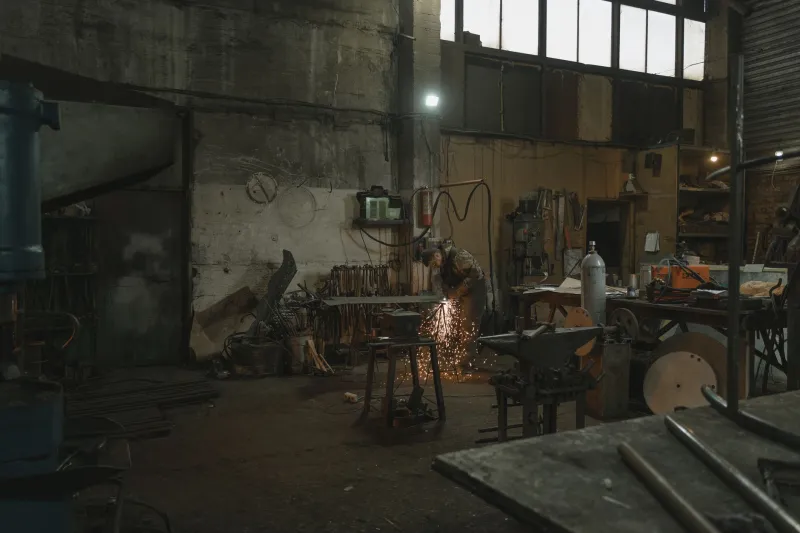
Every piece of metal carries a history in its grain structure, surface behavior, and response to heat—and learning to read those signals is one of the most valuable skills a metalworker can develop. This guide walks through real shop scenarios, simple field tests, and foundational metallurgy concepts that help craftspeople make smarter decisions before the first hammer falls. Understanding your material is not academic exercise; it is the difference between a project that succeeds and one that f

Beyond the Standard Commission: High-Value Metalworking Specialties That Build Wealth and Reputation
Most metalworkers price their work based on what the general market will bear—and in doing so, they leave significant revenue on the table. A growing number of American craftspeople are discovering that narrow, deep specialization in fields like restoration work, heritage hardware reproduction, and bespoke toolmaking commands rates that standard commissions simply cannot match. This article examines which high-value niches are generating the strongest returns, and how to position yourself to cap
The Art and Science of Metal Finishing: Choosing the Right Surface Treatment to Protect and Preserve Your Work
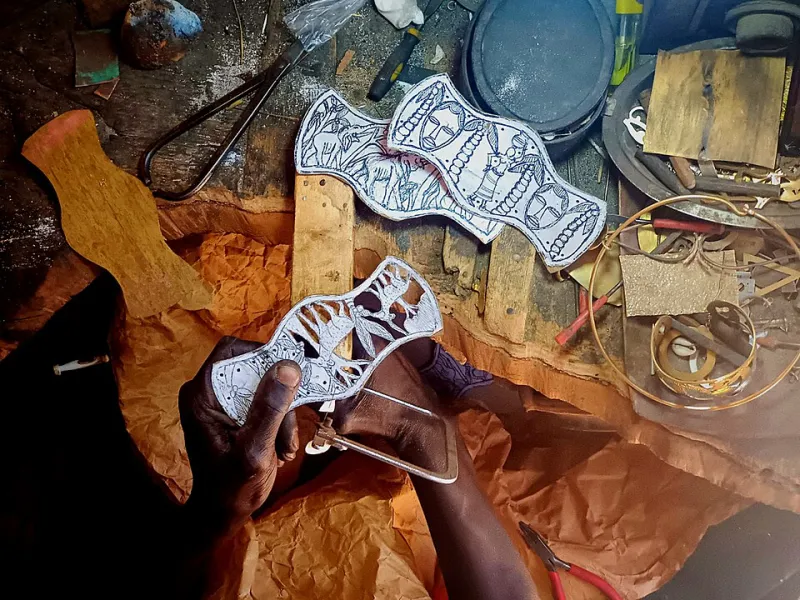
A well-executed finish is not merely decorative—it is the final act of engineering that determines whether a piece endures for generations or deteriorates within years. This comprehensive guide walks metalworkers through the chemistry and craft of surface treatment, from traditional wax and oil finishes to modern powder coating, helping practitioners select the right approach for every material, environment, and aesthetic goal.

What Your Work Is Worth: A Metalworker's Framework for Pricing That Protects Your Craft and Your Business
Underpricing is one of the most common—and most damaging—mistakes independent metalworkers make. This guide breaks down a practical pricing framework covering material costs, labor rates, and overhead recovery, with real examples of how skilled craftspeople have built sustainable businesses by learning to charge what their work is genuinely worth.

Skilled and Unfilled: The Apprenticeship Gap Costing American Metal Shops Their Future
Across the United States, metal fabrication shops are turning away work not because of a lack of equipment or capital, but because they cannot find workers who know how to use the machines. A widening gap in apprenticeship pipelines is leaving high-paying metalworking careers vacant while a generation of young Americans pursues degrees that may not deliver comparable returns. The consequences are felt from small custom shops in the Rust Belt to large-scale fabricators supplying the defense and a

The Digital Forge: How Modern Technology Is Expanding What Metalworkers Can Build
A new generation of metalworkers is arriving at the bench with laptops alongside their angle grinders, integrating CAD software, CNC machinery, and metal 3D printing into workflows that would have been unrecognizable a decade ago. The result is not the replacement of craft knowledge but its amplification — enabling smaller shops to compete for precision contracts once reserved for large industrial manufacturers. Understanding where these tools deliver genuine returns, and where human judgment re
Building a Culture of Safety: PPE, Hazard Assessment, and the Habits That Protect Metalworkers for Life
Safety in the metalworking shop is not simply a matter of wearing the right gear — it is a discipline, a mindset, and ultimately a professional standard that separates sustainable craftspeople from those sidelined by preventable injury. From proper PPE selection to shop layout and team culture, this guide examines the practices that keep metalworkers working. Whether you run a one-person garage operation or manage a commercial fabrication floor, these principles apply directly to you.
From Scrapyard to Showpiece: How Resourceful Metalworkers Are Turning Industrial Salvage Into Premium Work
Across the United States, a growing number of metalworkers are bypassing the steel supplier entirely and heading straight to demolition sites, industrial surplus auctions, and salvage yards to source their raw materials. What they find there — structural beams, machine components, factory offcuts, and decades-old hardware — is being transformed into furniture, sculpture, architectural elements, and functional objects that command serious market prices. This movement is simultaneously creative, e
Against the Machine: The Growing Demand for Hand-Forged Architectural Hardware in American Homes and Buildings
Mass-produced hardware has dominated American construction for decades, but a measurable shift is underway. Architects, interior designers, and discerning homeowners are increasingly specifying hand-forged metal components—hinges, pulls, brackets, and custom fixtures—as deliberate rejections of industrial uniformity. For skilled metalworkers, this trend represents one of the most promising market opportunities in a generation.
Steel Dreams: How Five American Metalworkers Turned Backyard Shops Into Thriving Commercial Enterprises
Building a metalworking business from the ground up is rarely a straight path—it demands technical mastery, sound financial judgment, and the willingness to evolve. Five accomplished American metalworkers share the pivotal decisions, equipment investments, and hard-won lessons that carried them from weekend hobbyists to full-time commercial operators generating seven-figure revenues.