Skilled and Unfilled: The Apprenticeship Gap Costing American Metal Shops Their Future
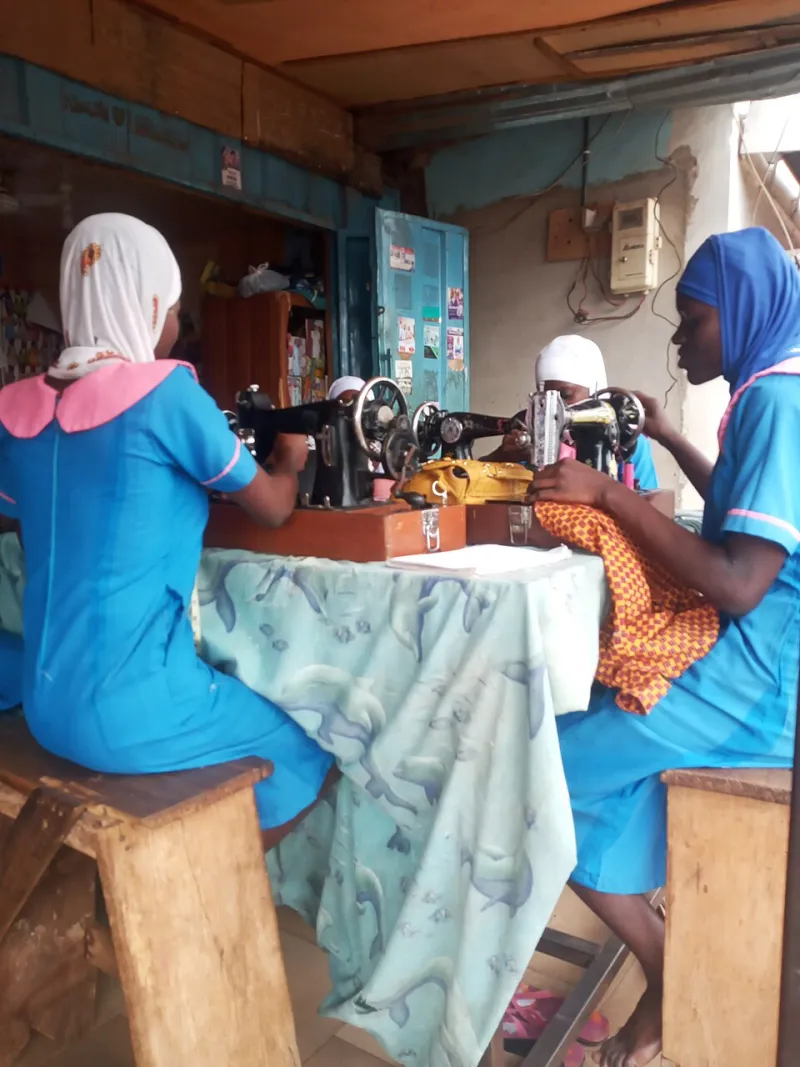
Photo: Phadila, CC BY-SA 4.0, via Wikimedia Commons
Across the United States, metal fabrication shops are turning away work not because of a lack of equipment or capital, but because they cannot find workers who know how to use the machines. A widening gap in apprenticeship pipelines is leaving high-paying metalworking careers vacant while a generation of young Americans pursues degrees that may not deliver comparable returns. The consequences are felt from small custom shops in the Rust Belt to large-scale fabricators supplying the defense and aerospace sectors.
A Shortage With Deep Roots
The decline of metalworking apprenticeships in America did not happen overnight. Beginning in the 1980s and accelerating through the 1990s, a cultural and institutional shift pushed secondary education almost exclusively toward four-year college preparation. Vocational programs were defunded, shop classes were removed from high school curricula, and guidance counselors steered students away from trades as a matter of policy rather than individual assessment.
The results are now plainly visible in workforce data. The U.S. Bureau of Labor Statistics projects sustained demand for welders, fabricators, and machinists through the decade, yet the American Welding Society has estimated a shortage of hundreds of thousands of skilled welding professionals by the mid-2020s. The situation is similar across CNC machining, structural ironwork, and sheet metal fabrication. Jobs exist. Candidates do not.
Denver-based fabrication shop owner Marcus Delray has watched this unfold in real time. His company, which produces custom structural components for commercial construction projects, currently carries four open positions that have remained unfilled for more than a year. "I can pay a starting fabricator fifty-five thousand dollars a year with full benefits," Delray said. "That is not an entry-level wage. But I cannot find anyone who has the foundational training to step into that role safely and productively."
What Apprenticeships Actually Offer
The traditional metalworking apprenticeship model — in which a novice works alongside an experienced craftsperson for a defined period while receiving structured instruction — remains one of the most effective forms of workforce development in existence. Apprentices earn wages from day one, accumulate no student debt, and graduate with verifiable, employer-recognized credentials.
In states where registered apprenticeship programs have been maintained or revived, the outcomes are compelling. A journeyman welder in Ohio or Pennsylvania with five years of post-apprenticeship experience can reasonably expect to earn between $65,000 and $85,000 annually, with specialized certifications in pressure vessel work or structural steel pushing that figure considerably higher. Certified welding inspectors and shop foremen frequently exceed six figures.
By contrast, the Federal Reserve Bank of New York has published research indicating that a significant percentage of recent four-year college graduates work in jobs that do not require their degree — often while carrying substantial loan obligations. The economic comparison between a debt-free journeyman metalworker at age twenty-four and a college graduate managing $40,000 in student loans at the same age is one that rarely appears in high school career counseling conversations.
Programs Working to Close the Gap
Not every corner of the country has conceded defeat on the apprenticeship question. Several initiatives are demonstrating that the pipeline can be rebuilt with the right combination of industry commitment, institutional support, and community engagement.
The National Institute for Metalworking Skills (NIMS) has worked to develop stackable credential frameworks that allow workers to document and advance their competencies in a standardized format recognized by employers nationwide. These credentials are increasingly being integrated into community college programs and employer-sponsored training tracks, creating a more navigable pathway for career changers and recent high school graduates alike.
In Texas, a consortium of fabrication companies partnered with a regional community college to establish a two-year apprenticeship program that combines paid shop-floor experience with classroom instruction in metallurgy, blueprint reading, and quality control. The program has a job placement rate above ninety percent, and several graduates have transitioned into supervisory roles within three years of completing their training.
Similar efforts are underway in the Midwest, where manufacturing-heavy states like Michigan, Indiana, and Wisconsin have invested in pre-apprenticeship programs targeting high school juniors and seniors. By introducing students to metalworking fundamentals before graduation, these programs aim to reduce the cultural friction that has historically steered young people away from the trades.
The Shop Owner's Responsibility
While systemic change requires policy action and institutional investment, shop owners are not without agency. Many of the most successful small and mid-sized metalworking operations in America have built internal training programs rather than waiting for the broader workforce pipeline to recover.
This approach requires patience and a willingness to accept reduced productivity from trainees in the near term. It also demands that experienced workers invest time in mentorship — a commitment that must be recognized and compensated appropriately. Shops that have made this investment consistently report stronger retention, higher morale, and a workforce that embodies the specific standards and practices the business values.
Delray, who launched an in-house apprenticeship track two years ago after struggling to recruit externally, describes the shift in terms that resonate across the industry. "When you grow someone from the beginning, they learn your way of doing things. They understand why quality matters here. That is not something you can hire off a job board."
Forging the Next Generation
The metalworking industry's labor shortage is a genuine crisis, but it is not an irreversible one. The economic case for skilled trades is strong, the demand for fabricated metal products is not diminishing, and the infrastructure to train new workers — while depleted — has not been entirely dismantled.
What is required is a coordinated effort among shop owners, community colleges, industry associations, and state workforce agencies to treat metalworking apprenticeship as the high-value career pathway it has always been. That means funding programs, compensating mentors, engaging high schools, and telling a more honest story about what a career in metalworking actually delivers.
For young Americans weighing their options, the message is straightforward: the shops are open, the pay is real, and the work will not be outsourced. The only thing missing is the trained hand to do it.